
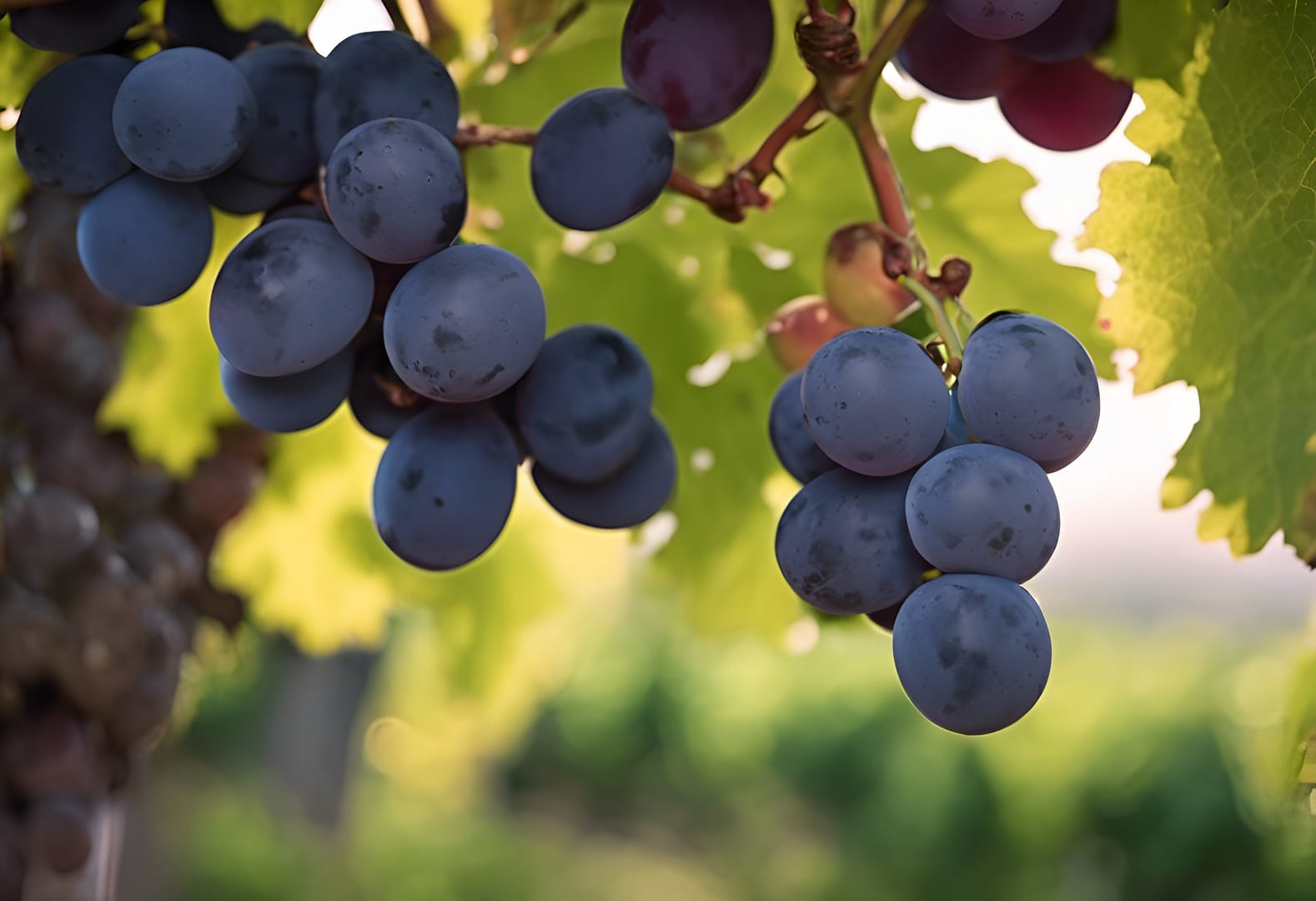
South Africa, a land renowned for its breathtaking landscapes and rich cultural heritage, is also a gem in the world of viticulture. With vineyards stretching from the rugged coastline to the lush inland valleys, the country has established itself as a formidable player in the global wine industry. Integral to this success is the robust system of wine education and sommelier training that nurtures the next generation of wine experts and enthusiasts. This article delves into the intricacies of wine education and sommelier training in South Africa, exploring the institutions, programs, and individuals driving this vibrant sector.
The Historical Context
South Africa’s wine industry dates back over 350 years, with the first vineyards planted in the Cape by Jan van Riebeeck in the mid-17th century. Over the centuries, the industry has evolved, influenced by various cultural and political shifts. The post-apartheid era marked a significant turning point, opening up international markets and spurring innovation. As the industry grew, so did the need for formal education and training in viticulture, enology, and wine appreciation.
Leading Institutions and Programs
The Cape Wine Academy
Founded in 1979, the Cape Wine Academy (CWA) is one of South Africa’s premier institutions for wine education. The CWA offers a range of courses tailored to different levels of knowledge and interest, from introductory programs for novices to advanced courses for aspiring sommeliers and wine professionals. The academy’s curriculum covers a broad spectrum of topics, including wine production, tasting techniques, and the global wine industry.
One of the flagship programs of the CWA is the Certificate Wine Course, designed to provide a comprehensive foundation in wine knowledge. This course is a stepping stone to the more advanced Diploma Wine Course, which delves deeper into viticulture, winemaking, and the business of wine. Graduates of the Diploma Wine Course often pursue careers as sommeliers, wine buyers, or consultants.
Stellenbosch University
Stellenbosch University, located in the heart of South Africa’s wine country, is renowned for its viticulture and oenology programs. The university’s Department of Viticulture and Oenology offers undergraduate and postgraduate degrees that combine rigorous academic training with practical experience in vineyards and wineries.
The BSc in Viticulture and Oenology is a four-year program that equips students with a thorough understanding of grape growing and winemaking. The curriculum includes courses in biology, chemistry, and agricultural sciences, along with specialized modules on viticulture and oenology. Students also participate in hands-on training through internships and fieldwork, gaining valuable industry experience.
For those seeking advanced education, Stellenbosch University offers a Master of Science (MSc) in Viticulture and Oenology. This research-focused program allows students to explore specific areas of interest in depth, contributing to the body of knowledge in the field and preparing for careers in academia, research, or senior industry positions.
The Wine and Spirit Education Trust (WSET)
The Wine and Spirit Education Trust (WSET) is an internationally recognized organization offering wine education programs in over 70 countries, including South Africa. WSET courses are designed to provide a structured and comprehensive approach to wine education, catering to both professionals and enthusiasts.
In South Africa, WSET courses are offered by several approved program providers, including the Cape Wine Academy and private wine schools. The WSET Level 1 Award in Wines is an entry-level course ideal for beginners, covering basic wine knowledge and tasting techniques. The WSET Level 2 Award in Wines builds on this foundation, introducing students to wine regions, grape varieties, and styles from around the world.
The WSET Level 3 Award in Wines is a more advanced course that delves into the factors influencing wine quality and style, including viticulture, winemaking, and maturation. This course is particularly popular among those seeking professional accreditation as sommeliers or wine educators.
Sommelier Training in South Africa
The South African Sommelier Association (SASA)
The South African Sommelier Association (SASA) plays a pivotal role in promoting the profession of sommelier in the country. Established in 2010, SASA aims to elevate the standard of wine service and education, providing support and resources for aspiring and practicing sommeliers.
SASA offers a structured training program that includes theoretical and practical components, covering wine knowledge, service skills, and food and wine pairing. The association also organizes workshops, masterclasses, and competitions, providing opportunities for sommeliers to hone their skills and gain recognition.
One of the highlights of SASA’s calendar is the Best Young Sommelier of South Africa competition, which identifies and celebrates emerging talent in the industry. Winners of this competition often go on to compete in international sommelier contests, showcasing South African expertise on the global stage.
The Sommeliers Academy
The Sommeliers Academy, based in Johannesburg, offers specialized training programs for those pursuing a career as a sommelier. The academy’s curriculum is designed to provide a comprehensive education in wine, covering topics such as viticulture, winemaking, wine tasting, and service techniques.
The flagship program of the Sommeliers Academy is the Certified Sommelier Course, a rigorous program that includes classroom instruction, practical training, and examinations. Graduates of this course receive certification recognized by the Court of Master Sommeliers, one of the most prestigious sommelier organizations in the world.
In addition to its core programs, the Sommeliers Academy offers short courses and workshops on specific aspects of wine and beverage service, catering to both industry professionals and enthusiasts.
The Role of Technology and Innovation
In recent years, technology and innovation have played an increasingly important role in wine education and sommelier training. Online learning platforms, virtual tastings, and interactive apps have made wine education more accessible and engaging, allowing students to learn at their own pace and from anywhere in the world.
Institutions like the Cape Wine Academy and Stellenbosch University have embraced these technological advancements, offering online courses and webinars that complement their traditional programs. Virtual reality (VR) and augmented reality (AR) are also being used to enhance the learning experience, providing immersive simulations of vineyards, wineries, and tasting rooms.
Moreover, social media and digital marketing have become essential tools for wine educators and sommeliers to connect with a broader audience, share knowledge, and promote wine culture. Online communities and forums provide platforms for wine lovers to exchange ideas, ask questions, and learn from experts.
Challenges and Opportunities
Despite the progress made in wine education and sommelier training in South Africa, several challenges remain. Access to education can be limited by geographical and financial constraints, particularly in rural areas. Additionally, the industry faces a shortage of qualified educators and trainers, which can impact the quality of instruction and mentorship.
However, these challenges also present opportunities for growth and innovation. Initiatives aimed at expanding access to education, such as scholarships, outreach programs, and partnerships with international institutions, can help address these issues. Furthermore, the development of new educational resources and training methods can enhance the learning experience and attract a diverse range of students.
The Future of Wine Education and Sommelier Training
As South Africa’s wine industry continues to evolve, so too will the landscape of wine education and sommelier training. The future promises to bring new advancements in technology, curriculum development, and industry collaboration, further solidifying South Africa’s reputation as a leader in wine education.
Sustainability and environmental stewardship are likely to become increasingly important themes in wine education, reflecting broader trends in the global wine industry. Programs that emphasize sustainable viticulture, organic and biodynamic practices, and climate resilience will equip students with the knowledge and skills needed to navigate the challenges of the 21st century.
Moreover, the integration of wine education with broader cultural and gastronomic studies will enrich the learning experience, fostering a deeper appreciation of wine as an integral part of South Africa’s heritage and identity. Culinary schools, hospitality programs, and tourism initiatives can play a crucial role in this interdisciplinary approach, creating a holistic and immersive educational environment.
Conclusion
Wine education and sommelier training are vital components of South Africa’s dynamic wine industry. Through the efforts of leading institutions, dedicated educators, and passionate professionals, the country has developed a robust framework for nurturing talent and promoting excellence in wine knowledge and service. As the industry continues to grow and innovate, the future of wine education in South Africa looks promising, offering exciting opportunities for students, professionals, and wine lovers alike.
By investing in education and embracing new technologies and approaches, South Africa can continue to produce world-class wine experts and sommeliers, ensuring its place at the forefront of the global wine community. Whether you’re a novice eager to learn more about wine or a seasoned professional looking to advance your career, South Africa offers a wealth of resources and opportunities to explore the fascinating world of wine.
Some wines you might like:
-
7% off!
 Was R149.99
R139.99 -
47% off!
 Was R255.99
R135.99 -
32% off!
 Was R189.99
R129.99 -
8% off!
 Was R179.99
R165.99 -
38% off!
 Was R290.99
R179.99 -
21% off!
 Was R95.99
R75.99 -
18% off!
 Was R135.99
R110.99 -
20% off!
 Was R199.99
R159.99Only 68 left in stock
-
10% off!
 Was R285.99
R255.99Only 34 left in stock
-
11% off!
 Was R189.99
R169.99Only 95 left in stock
-
18% off!
 Was R230.99
R189.99Only 14 left in stock
-
29% off!
 Was R135.99
R95.99Only 87 left in stock
-
15% off!
 Was R105.99
R89.99 -
18% off!
 Was R155.99
R127.99 -
14% off!
 Was R275.99
R235.99Only 27 left in stock
-
22% off!
 Was R179.99
R139.99Only 30 left in stock