

South Africa has long been known for its rich winemaking tradition, with vineyards dating back to the 17th century. In recent years, however, a new trend has emerged, reshaping the landscape of the South African wine industry: the rise of boutique wineries. These small-scale, often family-owned operations are making a significant impact, offering unique, high-quality wines that stand out in a crowded market. This article explores the factors contributing to the rise of boutique wineries in South Africa, their impact on the wine industry, and what the future holds for these artisanal producers.
Historical Context
The history of winemaking in South Africa dates back to 1659, when Jan van Riebeeck, the first commander of the Cape, produced the country’s first wine. Over the centuries, the industry grew, with large estates dominating the landscape. The apartheid era, however, brought significant challenges, including international boycotts and limited access to global markets.
The end of apartheid in 1994 marked a new era for South African wine. The industry opened up to the world, and local producers began to explore new opportunities and techniques. It was during this period of transformation that the seeds of the boutique winery movement were sown.
Defining Boutique Wineries
Boutique wineries are typically characterized by their small production volumes, often producing no more than 10,000 cases per year. Unlike larger commercial wineries, boutique operations focus on quality over quantity, employing meticulous vineyard practices and winemaking techniques. These wineries are often family-owned and operated, with a strong emphasis on sustainability and organic farming methods.
Factors Driving the Rise of Boutique Wineries
Several factors have contributed to the rise of boutique wineries in South Africa:
1. Changing Consumer Preferences
Modern wine consumers are increasingly seeking unique, high-quality wines with a story behind them. They value authenticity, craftsmanship, and a personal connection to the producer. Boutique wineries, with their small-scale operations and hands-on approach, are perfectly positioned to meet these demands. The trend towards experiential wine tourism, where visitors seek immersive, personalized experiences, has also played a role in the growth of boutique wineries.
2. Innovation and Experimentation
Boutique wineries are often at the forefront of innovation and experimentation in winemaking. Freed from the constraints of large-scale production, these producers can take risks and try new techniques. This spirit of innovation has led to the development of new wine styles and the revival of forgotten grape varieties. South African boutique wineries are known for their bold and creative approaches, resulting in wines that are distinctive and memorable.
3. Focus on Terroir
Terroir, the unique combination of soil, climate, and topography that influences the character of a wine, is a central focus for many boutique wineries. These producers prioritize site-specific viticulture, selecting grape varieties that are best suited to their particular terroir. By doing so, they can create wines that truly reflect the unique characteristics of their vineyards. This emphasis on terroir has led to a greater appreciation of South Africa’s diverse wine regions and the unique wines they produce.
4. Support from Wine Organizations
Organizations such as Wines of South Africa (WOSA) have played a crucial role in promoting South African wines on the global stage. WOSA’s efforts to highlight the quality and diversity of South African wines have helped raise the profile of boutique wineries. Additionally, initiatives such as the Cape Winemakers Guild, which brings together some of the country’s top winemakers, have provided a platform for boutique producers to showcase their talents and connect with international buyers.
Impact on the Wine Industry
The rise of boutique wineries has had a significant impact on the South African wine industry:
1. Quality and Diversity
Boutique wineries have raised the bar for quality, producing wines that compete with the best in the world. Their focus on meticulous vineyard management and innovative winemaking techniques has resulted in a greater diversity of wine styles and a broader range of high-quality offerings. This has enhanced South Africa’s reputation as a producer of premium wines and attracted the attention of discerning wine enthusiasts worldwide.
2. Economic Contributions
While boutique wineries may be small in scale, they contribute significantly to the local economy. Many of these operations are located in rural areas, providing employment opportunities and supporting local businesses. The growth of wine tourism, driven in part by the appeal of boutique wineries, has also brought economic benefits to wine regions across the country. Visitors flock to these regions not only to taste the wines but also to enjoy the scenic beauty and cultural heritage of South Africa’s wine country.
3. Sustainability and Innovation
Boutique wineries are often leaders in sustainability, adopting organic and biodynamic farming practices. Their commitment to environmental stewardship has set an example for the broader industry and encouraged larger producers to adopt more sustainable practices. Additionally, the spirit of innovation that characterizes many boutique wineries has led to the development of new technologies and techniques that benefit the entire industry.
4. Cultural and Social Impact
Boutique wineries have played a role in preserving and promoting South Africa’s cultural heritage. Many of these producers are committed to honoring the traditions and history of their regions, while also embracing modern techniques and trends. This blend of tradition and innovation has created a vibrant and dynamic wine culture. Furthermore, boutique wineries often foster a strong sense of community, both within their operations and in their interactions with consumers. This sense of connection and authenticity resonates with wine lovers and enhances the overall wine experience.
Notable Boutique Wineries in South Africa
Several boutique wineries have gained recognition for their exceptional wines and innovative approaches:
1. Sadie Family Wines
Eben Sadie, the founder of Sadie Family Wines, is one of South Africa’s most celebrated winemakers. His focus on old-vine vineyards and traditional winemaking techniques has resulted in some of the country’s most sought-after wines. The winery’s signature wine, Columella, is a blend of Syrah and Mourvèdre that showcases the unique terroir of the Swartland region.
2. Alheit Vineyards
Chris and Suzaan Alheit of Alheit Vineyards are known for their dedication to producing high-quality white wines from old, dry-farmed vineyards. Their focus on Chenin Blanc and other heritage varieties has helped revive interest in these grapes and demonstrated their potential for producing world-class wines.
3. Mullineux & Leeu Family Wines
Founded by Chris and Andrea Mullineux, Mullineux & Leeu Family Wines has quickly established itself as one of South Africa’s leading boutique wineries. The winery’s emphasis on minimal intervention and sustainable farming practices has resulted in a portfolio of critically acclaimed wines. Their Syrah and Chenin Blanc wines are particularly noteworthy for their depth and complexity.
4. Crystallum Wines
Crystallum Wines, founded by brothers Peter-Allan and Andrew Finlayson, is renowned for its elegant and expressive Pinot Noir and Chardonnay. The winery’s commitment to low-intervention winemaking and focus on cool-climate vineyards has garnered international acclaim.
5. Thorne & Daughters
Thorne & Daughters, led by John Seccombe, has gained recognition for its innovative blends and focus on lesser-known grape varieties. The winery’s approach to winemaking emphasizes purity of fruit and expression of terroir, resulting in wines that are both distinctive and highly enjoyable.
Challenges Facing Boutique Wineries
Despite their successes, boutique wineries face several challenges:
1. Market Access
Gaining access to international markets can be difficult for small producers. Competition from established brands and the costs associated with distribution and marketing can be significant barriers. However, the growing interest in artisanal and sustainable products offers opportunities for boutique wineries to carve out a niche in the global market.
2. Financial Sustainability
Running a boutique winery can be financially challenging. The high costs of small-scale production, combined with the need for constant innovation and investment in quality, can strain resources. Many boutique wineries rely on direct-to-consumer sales and wine tourism to support their operations. Building a loyal customer base and leveraging digital marketing strategies can help mitigate some of these financial pressures.
3. Climate Change
Climate change poses a significant threat to vineyards worldwide, and South Africa is no exception. Changes in temperature and precipitation patterns can impact grape quality and yields. Boutique wineries, with their focus on terroir, are particularly sensitive to these changes. Adopting sustainable farming practices and investing in research and innovation are essential to adapting to these challenges.
4. Regulatory Environment
Navigating the regulatory environment can be complex for boutique wineries. Compliance with local and international regulations, particularly regarding labeling and certification, can be time-consuming and costly. Advocacy and support from industry organizations can help address some of these challenges and create a more favorable environment for small producers.
The Future of Boutique Wineries in South Africa
The future looks promising for boutique wineries in South Africa. As consumer preferences continue to evolve, the demand for high-quality, artisanal wines is likely to grow. Boutique wineries are well-positioned to meet this demand, offering unique and compelling products that stand out in the market.
Innovation and sustainability will continue to be key drivers of success. Boutique wineries that embrace new technologies, adopt sustainable practices, and remain committed to quality will thrive. Additionally, collaboration and knowledge-sharing within the industry can help address common challenges and drive collective progress.
The rise of boutique wineries also presents opportunities for tourism and economic development. South Africa’s wine regions, with their stunning landscapes and rich cultural heritage, have the potential to attract even more visitors. By offering exceptional wine experiences and promoting the unique stories behind their wines, boutique wineries can play a pivotal role in showcasing the best of South Africa to the world.
Conclusion
The rise of boutique wineries in South Africa represents a dynamic and exciting evolution in the country’s wine industry. These small-scale producers, with their focus on quality, innovation, and sustainability, are making a significant impact. They are elevating the profile of South African wines on the global stage and contributing to the rich tapestry of the country’s winemaking heritage. As they continue to push boundaries and set new standards, boutique wineries are poised to shape the future of South African wine in profound and inspiring ways.
Some wines you might like:
-
15% off!
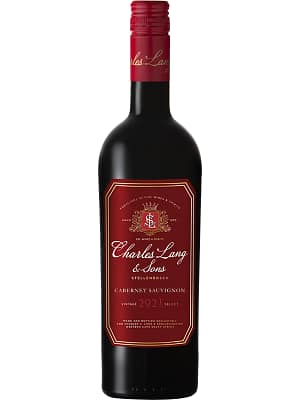 Was R65.99
R55.99 -
15% off!
 Was R105.99
R89.99Only 98 left in stock
-
10% off!
 Was R99.99
R89.99 -
15% off!
 Was R65.99
R55.99Only 46 left in stock
-
16% off!
 Was R160.99
R135.99 -
19% off!
 Was R135.99
R109.99 -
16% off!
 Was R209.99
R175.99Only 17 left in stock
-
14% off!
 Was R99.99
R85.99 -
19% off!
 Was R184.99
R149.99Only 9 left in stock
-
25% off!
 Was R145.99
R109.99Only 101 left in stock
-
21% off!
 Was R259.99
R205.99Only 41 left in stock
-
8% off!
 Was R289.99
R265.99Only 20 left in stock
-
8% off!
 Was R119.99
R109.99 -
13% off!
 Was R189.99
R165.99 -
10% off!
 Was R99.99
R89.99 -
44% off!
 Was R249.99
R139.99