

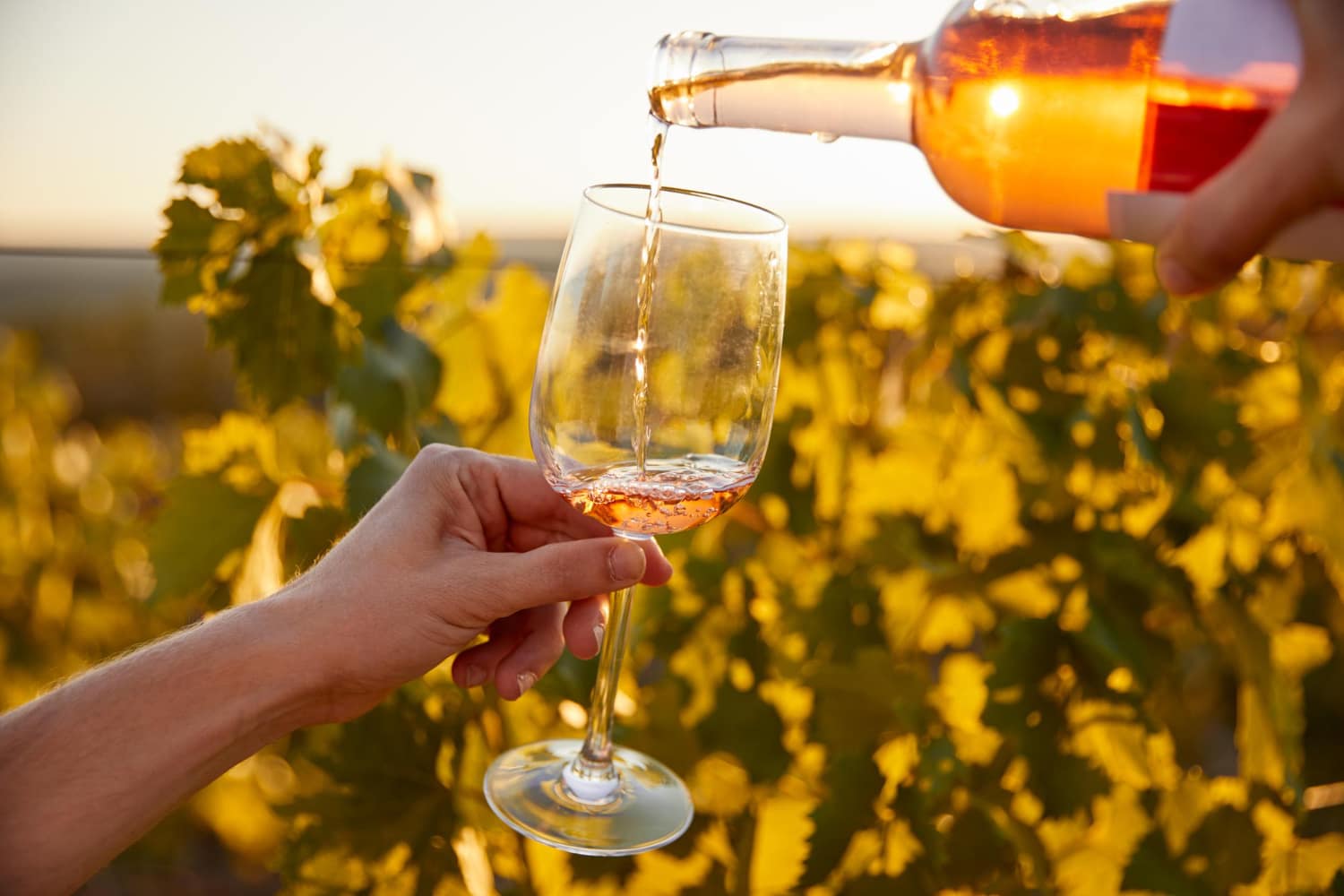
Every bottle of wine tells a story, and one of the biggest influences behind that story is climate.
From cool coastal breezes to long sunny afternoons, the environment in which grapes are grown plays a major role in determining how a wine looks, smells, and tastes. Even two wines made from the same grape variety can taste completely different depending on the climate of the region where they were produced.
Understanding this connection adds a new layer of appreciation to every glass.
Why climate matters so much
Grapes are highly sensitive to their environment. Small differences in temperature, sunlight, rainfall, and wind can dramatically affect how they ripen.
When grapes ripen slowly, they tend to develop more delicate flavours and maintain higher acidity. Faster ripening often produces richer fruit flavours and fuller bodied wines.
This is why climate is considered one of the most important factors in winemaking.
Cool climate wines
Cooler wine regions typically produce wines that are lighter, fresher, and more vibrant.
White wines from cool climates often show crisp citrus notes, green apple flavours, and refreshing acidity. Red wines may appear lighter in colour with elegant, subtle characteristics. These wines are often described as refined and balanced because the slower ripening process allows flavours to develop gradually.
Warm climate wines
Warmer regions create very different styles of wine.
With more heat and sunshine, grapes develop higher sugar levels, which can lead to fuller bodied wines with higher alcohol content. Flavours often become richer and more intense, with notes of ripe berries, plum, or tropical fruit.
These wines are usually bold, expressive, and powerful. Neither style is better than the other. It simply comes down to personal preference.
The influence of coastal air
One of the reasons South Africa produces such diverse wines is its unique geography.
Many vineyards benefit from cooling ocean breezes that help regulate temperatures during hot summer months. This balance between warmth and cooling air allows grapes to ripen while still retaining freshness and acidity. The result is wines with both flavour intensity and elegance.
The role of soil conditions and rainfall
Climate is not only about temperature. Rainfall also plays a major role.
Too much water can dilute flavours, while too little can place stress on the vines. The best vineyards often achieve a careful balance, where vines work hard enough to produce concentrated grapes without becoming damaged. Combined with the right soil conditions, this creates complexity and character in the wine.
Why the climate matters
Understanding climate can help you make more confident wine choices, especially when browsing wines online.
If you enjoy lighter, fresher wines, exploring bottles from cooler regions may suit your taste. If you prefer bold and rich flavours, wines from warmer climates could be a better match.
The experience about more than just the weather
Climate is one of the invisible ingredients in every bottle of wine. While you may not always see it listed on the label, its impact can be tasted in every sip.
From crisp coastal whites to rich sun ripened reds, climate quietly shapes the personality of a wine long before the bottle ever reaches your table.
Some wines you might like:
-
30% off!
 Was R270.99
R189.99Only 45 left in stock
-
13% off!
 Was R155.99
R135.99 -
6% off!
 Was R155.99
R145.99Only 89 left in stock
-
26% off!
 Was R135.99
R99.99 -
21% off!
 Was R95.99
R75.99Only 78 left in stock
-
16% off!
 Was R220.99
R185.99Only 15 left in stock
-
10% off!
 Was R150.99
R135.99Only 15 left in stock
-
15% off!
 Was R105.99
R89.99Only 95 left in stock
-
17% off!
 Was R155.99
R129.99Only 43 left in stock
-
33% off!
 Was R239.99
R159.99Only 12 left in stock
-
13% off!
 Was R195.99
R169.99Only 36 left in stock
-
9% off!
 Was R185.99
R169.99Only 61 left in stock
-
18% off!
 Was R129.99
R105.99 -
8% off!
 Was R289.99
R265.99 -
8% off!
 Was R119.99
R109.99 -
21% off!
 Was R139.99
R109.99